
Understanding Visceral Fat: Importance and Implications
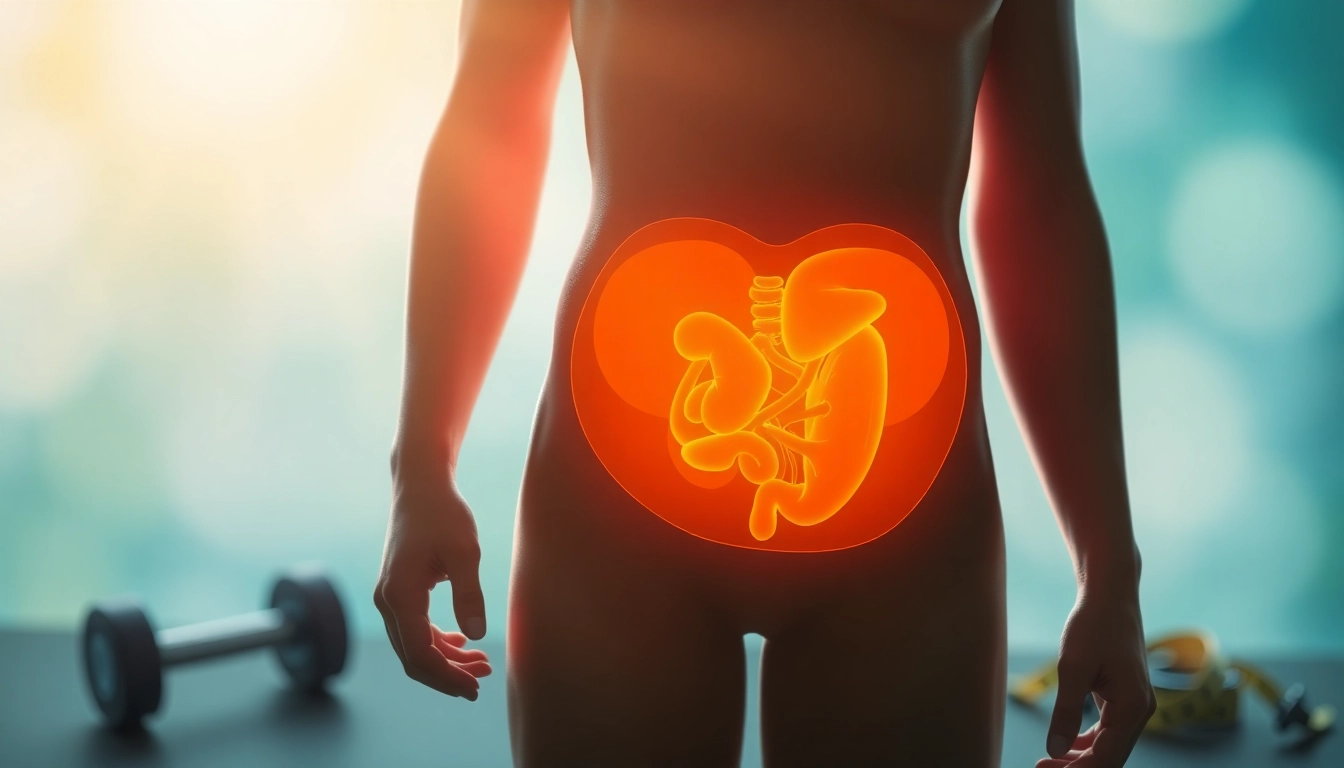
Visceral fat, often referred to as "hidden fat," is a type of body fat that accumulates internally, surrounding vital organs such as the liver, pancreas, and intestines. Unlike subcutaneous fat, which is located just beneath the skin and can be pinched, visceral fat resides deeper within the abdominal cavity. This unique position gives it distinct characteristics and influences on health. As awareness of health and fitness continues to grow, understanding the nature of visceral fat and its impact on overall well-being becomes increasingly crucial.
In this article, we will explore the definition, risks, measurement techniques, reduction strategies, and maintenance of healthy visceral fat levels, providing valuable insights for readers seeking to enhance their health journeys. Those looking to learn more about visceral fat can visit visceral fat for additional resources.
What is Visceral Fat?
Definition and Characteristics of Visceral Fat
Visceral fat is classified as a type of adipose tissue that is stored within the abdominal cavity. It plays a significant role in energy metabolism and hormone regulation, leading some experts to regard it as a hormonally active tissue. The accumulation of visceral fat is determined by various factors, including genetics, diet, physical activity, and hormonal changes.
This fat type is not visible externally, making it difficult to detect without proper measurement techniques. However, its proximity to vital organs can contribute to a higher risk of serious health issues.
Differences Between Visceral Fat and Subcutaneous Fat
To understand visceral fat, it is essential to differentiate it from subcutaneous fat. Here are the primary distinctions:
- Location: Visceral fat is located deeper in the abdomen, surrounding organs, whereas subcutaneous fat lies just beneath the skin.
- Health Risks: Visceral fat is associated with higher risks of chronic diseases, including heart disease and diabetes. In contrast, subcutaneous fat is generally less harmful.
- Metabolism: Visceral fat is more metabolically active, meaning it releases fatty acids and hormones into the bloodstream more readily than subcutaneous fat.
How Visceral Fat Affects Your Health
Visceral fat has profound implications for health due to its impact on metabolic processes. It can contribute to the development of insulin resistance, which is a precursor to type 2 diabetes. Additionally, elevated visceral fat levels are linked to increased inflammation, leading to various health complications.
Furthermore, visceral fat is implicated in cardiovascular diseases. The fat tissue can produce chemicals that promote atherosclerosis, leading to the hardening of arteries and increased risk of heart attacks and strokes.
Why Visceral Fat is Considered Dangerous
Health Risks Associated with Visceral Fat
Research indicates that high levels of visceral fat correlate with numerous health risks:
- Type 2 Diabetes: Increased insulin resistance due to visceral fat distribution can lead to type 2 diabetes.
- Heart Disease: The fat can contribute to high blood pressure and cholesterol levels, increasing heart disease risk.
- Cancer Risk: There are connections between visceral fat and various cancers, including breast and colorectal cancer.
The Link Between Visceral Fat and Chronic Diseases
The relationship between visceral fat and chronic illness is well-documented. Studies have shown that excessive visceral fat increases the likelihood of developing conditions such as metabolic syndrome, which comprises a cluster of disorders including hypertension, elevated blood sugar, and abnormal cholesterol levels.
Additionally, the chemicals released by visceral adipose tissues, such as cytokines, can contribute to chronic inflammation, further intensifying the risk factors for heart disease and diabetes.
Understanding Body Fat Distribution and Its Implications
Body fat distribution is crucial in understanding health outcomes. People with larger waist circumference measurements often carry more visceral fat, and this measurement can be a powerful indicator of health risks. Research suggests that the waist-to-hip ratio is particularly effective in assessing the risks associated with visceral fat, as it highlights the distribution of fat in relation to the body’s overall shape.
A higher ratio signifies an increased risk of metabolic and cardiovascular diseases. Therefore, monitoring body fat distribution is essential for evaluating overall health and creating strategies to mitigate risks associated with visceral fat.
How to Measure Visceral Fat
Methods for Determining Visceral Fat Levels
Several methods exist to measure visceral fat levels effectively. The most common techniques include:
- Waist Circumference: Measuring the waist around the navel gives a rough estimate of visceral fat. A waist measurement exceeding 40 inches in men and 35 inches in women suggests a higher risk.
- Body Mass Index (BMI): Although BMI is not a direct measure of visceral fat, it can give insight into overall body composition.
- Imaging Techniques: MRI and CT scans provide precise assessments of visceral fat but may not be practical for routine monitoring due to their cost and availability.
Utilizing Waist Circumference as an Indicator
Waist circumference is a simple and effective measure for estimating visceral fat levels. To accurately measure waist circumference:
- Use a flexible measuring tape.
- Stand upright and exhale fully.
- Wrap the measuring tape around your waist at the level of your navel.
- Record the measurement without pulling the tape too tight.
Incorporating waist circumference measurement into regular health assessments can help individuals understand their risks more effectively.
The Role of Imaging Techniques in Assessment
Imaging techniques such as MRI and CT scans provide a detailed view of fat distribution within the body. These tools are invaluable for researchers and healthcare providers and can help plan interventions for those with extreme visceral fat accumulation. While they are not necessary for the average person, understanding these advanced measures can enhance knowledge about visceral fat's health implications.
Strategies to Reduce Visceral Fat
Dietary Changes for Targeting Visceral Fat
Diet plays a pivotal role in managing visceral fat. Implementing the following dietary changes can promote fat loss:
- Reduce Sugary Foods and Beverages: High sugar intake has been linked to increased fat storage. Limiting added sugars can aid in visceral fat reduction.
- Increase Fiber Intake: A diet rich in soluble fiber has been shown to help reduce visceral fat by improving digestion and promoting satiety.
- Incorporate Healthy Fats: Consuming healthy fats such as those found in avocados, nuts, and olive oil can help reduce overall fat levels.
The Importance of Physical Activity and Exercise
Regular physical activity is one of the most effective strategies to combat visceral fat. Consider the following tips to incorporate exercise effectively:
- Aerobic Exercise: Engaging in moderate to vigorous aerobic exercises, such as running, cycling, or swimming, can significantly reduce visceral fat.
- Strength Training: Building muscle through resistance training can enhance metabolism, contributing to overall fat reduction.
- Consistency: Adopting a regular exercise schedule is critical for long-term success. Aim for at least 150 minutes of moderate aerobic activity weekly.
Behavioral Changes for Long-Term Success
Behavioral modifications are essential for sustainable fat loss. Some strategies include:
- Goal Setting: Establishing realistic and achievable goals can help maintain motivation.
- Stress Management: Chronic stress can lead to weight gain, especially in the abdominal area. Techniques such as mindfulness and yoga can help mitigate stress effects.
- Sleep Hygiene: Prioritizing adequate sleep is vital for regulating hormones that influence appetite and metabolism.
Maintaining a Healthy Level of Visceral Fat
Setting Realistic Goals for Fat Loss
When embarking on a journey to reduce visceral fat, setting realistic and measurable goals is crucial. Instead of aiming for drastic weight loss, focus on gradual changes that promote overall health. For example, target a 5-10% reduction in body weight over several months to decrease visceral fat levels and enhance health outcomes.
The Importance of Regular Monitoring
Regular monitoring of waist circumference, body weight, and overall health can provide valuable insights into progress and areas needing improvement. Consider tracking changes biweekly or monthly to maintain motivation and accountability.
Creating a Sustainable Healthy Lifestyle
Ultimately, the key to maintaining healthy visceral fat levels lies in adopting a sustainable lifestyle. This includes:
- Balanced Nutrition: Continuously engaging in healthy eating habits beyond initial weight loss.
- Physical Activity: Maintaining a consistent exercise routine tailored to individual preferences and needs.
- Community Support: Connecting with friends, family, or support groups can enhance motivation and provide valuable encouragement.
By focusing on these components, individuals can not only reduce visceral fat but also promote a healthier and more fulfilling lifestyle.