
As industries continue to demand faster production, higher quality standards, and cost-effective manufacturing solutions, businesses are evaluating the most efficient methods for producing metal components. Construction, infrastructure, and industrial sectors all require reliable steel products that can be manufactured with precision and consistency.
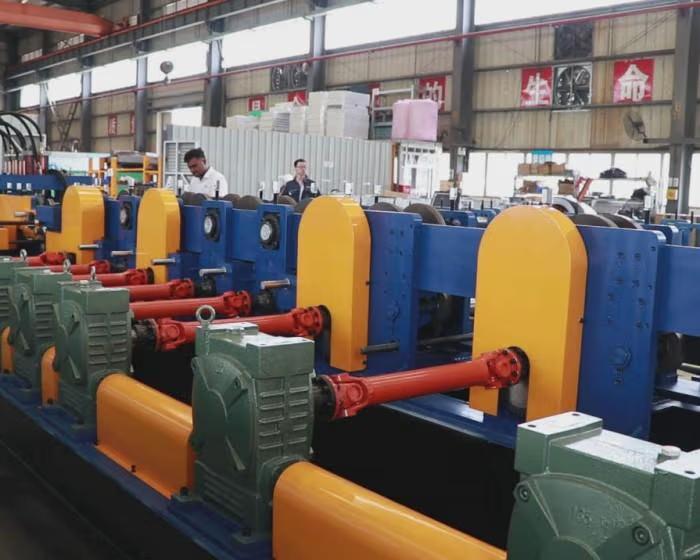
Two common approaches used in metal manufacturing are roll forming and traditional metal fabrication. While both methods serve important purposes, they differ significantly in terms of production processes, efficiency, and application suitability. Modern equipment such as a c purlin machine and cold formed steel machine has helped make roll forming an increasingly popular choice for high-volume steel profile production.
The Growing Preference for Efficient Manufacturing Solutions
Manufacturers are under constant pressure to improve productivity while maintaining product quality and controlling operational costs. Traditional metal fabrication methods often involve multiple production stages, including cutting, bending, welding, and assembly.
Roll forming offers a more streamlined approach by continuously shaping metal coils into finished profiles through a series of rollers. This process helps manufacturers achieve consistent results while improving overall production efficiency.
As demand for steel components continues to grow, many businesses are recognizing the advantages of modern roll forming technology.
Benefits of Roll Forming Compared to Traditional Fabrication
Higher Production Speed
Roll forming is designed for continuous production, allowing manufacturers to produce large quantities of steel profiles efficiently. Once the machine is set up, production can continue with minimal interruptions.
Traditional fabrication methods often require separate operations, which can increase production time and reduce overall efficiency.
Greater Product Consistency
Roll forming machines are engineered to produce profiles with uniform dimensions throughout the production process. This level of consistency is especially important for construction and structural applications.
Traditional fabrication processes may involve more manual operations, which can lead to variations between finished products.
Lower Production Costs
Continuous production and efficient material usage help reduce manufacturing costs. Roll forming also minimizes labor requirements compared to fabrication methods that involve multiple processing stages.
These advantages can provide long-term cost savings for manufacturers producing high volumes of steel components.
Improved Material Utilization
Roll forming uses metal coils efficiently and generates minimal waste during production. Accurate forming processes help manufacturers maximize raw material usage.
Traditional fabrication methods may result in higher material loss due to cutting, trimming, and additional processing requirements.
Better Suitability for High-Volume Production
For manufacturers producing large quantities of identical profiles, roll forming offers a highly efficient solution. Automated production systems help maintain productivity while ensuring consistent quality.
This makes roll forming particularly valuable for industries with ongoing production demands.
Applications of Roll Forming Technology
Roll forming is widely used for manufacturing components used in:
- Industrial buildings
- Commercial construction projects
- Warehouses and logistics facilities
- Agricultural structures
- Roofing systems
- Wall cladding applications
- Steel framing systems
- Infrastructure developments
These applications benefit from the speed, accuracy, and efficiency that roll forming technology provides.
Choosing the Right Manufacturing Method
The choice between roll forming and traditional fabrication depends on factors such as production volume, product complexity, project requirements, and long-term operational goals.
Manufacturers producing large quantities of standardized steel profiles may benefit significantly from equipment such as a c purlin machine or cold formed steel machine. These systems provide efficient production, consistent quality, and improved operational performance.
For specialized or low-volume projects requiring extensive customization, traditional fabrication methods may still be appropriate. Evaluating production needs carefully can help businesses select the most effective manufacturing solution.
Conclusion
Both roll forming and traditional metal fabrication play important roles in modern manufacturing. However, for high-volume production environments that require speed, consistency, and cost efficiency, roll forming offers several significant advantages.
Whether utilizing a cold formed steel machine for various steel profile applications, modern roll forming technology helps manufacturers improve productivity while maintaining high quality standards. As industries continue to focus on efficiency and performance, roll forming is becoming an increasingly valuable solution in metal manufacturing.