
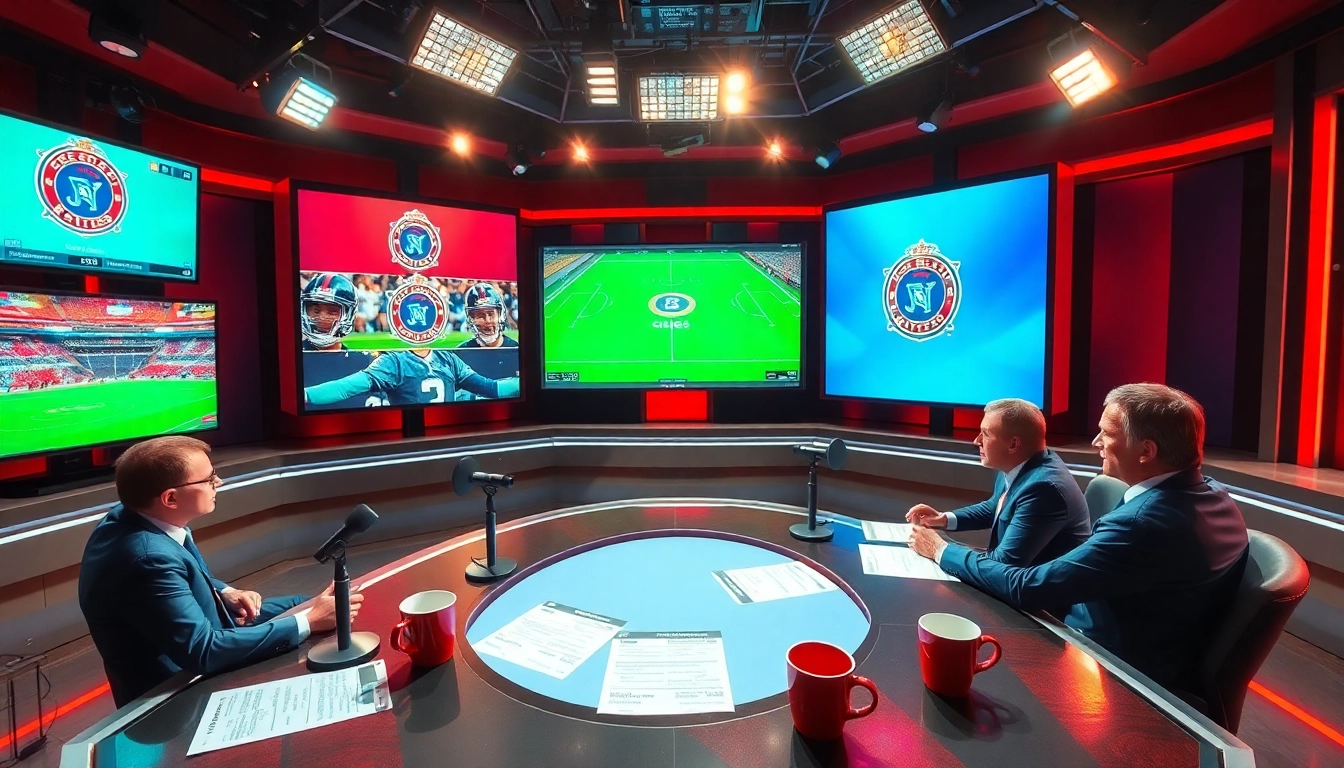
Understanding Sports Broadcasting
Definition and Importance of Sports Broadcasting
Sports broadcasting refers to the live transmission of sports events through various platforms, including television, radio, and the internet. This process has evolved significantly over the decades, merging entertainment with information dissemination. The importance of Sports Broadcasting transcends mere logistics; it shapes how fans engage with their favorite sports, players, and teams. By delivering real-time coverage and commentary, sports broadcasting creates a shared experience for fans, fostering community and loyalty.
Key Roles in Sports Broadcasting
Several key roles contribute to the success of sports broadcasting, each playing a vital part in creating an engaging viewer experience:
- Producers: Coordinate all aspects of live broadcasts, from scheduling to logistics.
- Commentators: Provide insightful commentary and analysis, enhancing the audience's understanding of the game.
- Cameramen and Technicians: Manage camera angles and technical elements to ensure smooth viewing experiences.
- Writers and Researchers: Deliver background stories, player statistics, and other pertinent information during a broadcast.
- Marketing Professionals: Promote broadcasts and engage audiences through various marketing strategies.
Historical Evolution of Sports Broadcasting
The evolution of sports broadcasting can be traced back to the early 20th century, starting with radio broadcasts. By the 1930s, sports events were being aired live, offering fans a new way to experience their favorite moments. With the advent of television in the mid-20th century, the visual dimension changed everything, allowing viewers to see the action unfold in real-time. The rise of cable television in the 1980s further enriched sports broadcasting, with networks dedicated solely to sports, showcasing various events around the globe. Today, digital platforms are revolutionizing how sports are consumed, allowing fans to watch live events on demand from anywhere.
Current Trends in Sports Broadcasting
The Shift to Digital Platforms
In recent years, there has been a significant shift toward digital platforms in sports broadcasting. As technology advances, traditional cable subscriptions are declining, with many fans opting for streaming services that offer flexibility and tailored content. Platforms like ESPN+, DAZN, and Peacock are capitalizing on this trend by providing sports coverage that caters to niche audiences as well as mainstream fans.
YouTube and Social Media Impact
YouTube and social media platforms have emerged as essential components of sports broadcasting. By sharing highlights, interviews, and behind-the-scenes content, these platforms create additional touchpoints for fan engagement. For instance, fans can follow their favorite athletes and teams, view live updates, and participate in discussions, contributing to the overall culture surrounding sports.
Evolving Viewer Preferences
Modern audiences exhibit changing preferences regarding how they consume sports content. Younger viewers seem to prefer shorter, bite-sized highlights rather than full games, leading networks to adapt their strategies. Moreover, fans are increasingly interested in interactive viewing experiences that enable them to engage directly with content through polls, chats, and other interactive features.
Common Challenges in Sports Broadcasting
Technical Difficulties in Live Streaming
One of the biggest challenges faced by sports broadcasters is technical difficulties, especially during live streams. High-definition video quality, minimal latency, and uninterrupted service are essential for a successful broadcast. Service interruptions can frustrate viewers, leading to diminished engagement and potential loss of subscribers. To mitigate these issues, broadcasters must invest in robust technologies and conduct thorough testing before live events.
Legal Issues and Licensing
Legal challenges around broadcasting rights can be intricate and cumbersome. Networks must secure licenses, adhere to regulations, and navigate complex agreements with leagues and teams. Failing to comply with these legalities can result in costly fines and even the loss of broadcasting rights. Staying informed about evolving laws and establishing clear agreements can aid broadcasters in navigating these challenges effectively.
Maintaining Viewer Engagement
With numerous entertainment options available, maintaining viewer engagement in sports broadcasting is increasingly challenging. Broadcasters must find innovative ways to keep audiences captivated. This might include developing engaging content, creating exclusive behind-the-scenes looks, or enhancing audience interaction through live polls or Q&A sessions with athletes. Implementing strong storytelling techniques can also play a crucial role in keeping viewers invested.
Best Practices for Effective Sports Broadcasting
Strategies to Enhance Viewer Experience
To boost viewer experience, sports broadcasters should adopt several best practices. First, ensuring high-quality production values by utilizing advanced camera techniques and expert commentary can elevate the viewer's experience. Additionally, incorporating real-time statistics and insights during broadcasts can provide deeper context about the game, enriching audience understanding. Developing an engaging social media strategy can also keep fans excited and connected to the broadcast.
Utilizing Data Analytics in Sports
Data analytics has become an invaluable tool in sports broadcasting. By harnessing data related to viewer preferences, engagement patterns, and real-time interactions, broadcasters can tailor their strategies to meet audience expectations. Data can also determine the best times for broadcasts, types of content favored by viewers, and innovative advertising approaches that resonate with the target audience.
Building Strong Athlete Relationships
Fostering strong relationships with athletes can significantly enhance the broadcasting experience. Athletes often serve as the face of sports organizations, and their stories can resonate deeply with fans. By allowing athletes to share their journeys, challenges, and triumphs through interviews and feature segments, broadcasters can create a more personal connection between fans and their favorite sports figures. Such initiatives can lead to more profound audience loyalty and engagement.
Measuring Success in Sports Broadcasting
Key Performance Indicators (KPIs)
Establishing KPIs is vital for measuring performance and success in sports broadcasting. Common KPIs include audience reach, viewer retention rates, engagement levels across different platforms, and ad revenue. By analyzing these indicators, broadcasters can assess what strategies are working and where improvements may be necessary.
Viewer Metrics and Feedback
Gathering viewer feedback is essential to understanding audience preferences and satisfaction. Surveys, social media interactions, and direct audience engagement can provide valuable insights that can inform future broadcast strategies. Quantifying viewer metrics, such as those from live chats and social media comments, can further assist in tailoring content to meet audience expectations.
Adapting Strategies Based on Performance
In sports broadcasting, remaining agile and willing to adapt strategies based on performance data is crucial. By continuously evaluating viewer metrics and gauging audience reactions, broadcasters can adjust content and delivery methods to better align with viewer preferences. Regularly refining strategies will help ensure broadcasters stay relevant in a fast-evolving industry.
FAQs
What is sports broadcasting?
Sports broadcasting is the live transmission of sports events via television, radio, or digital platforms, providing real-time coverage and commentary for fans.
How has sports broadcasting evolved?
Sports broadcasting has evolved from radio broadcasts to television coverage, and now to digital platforms, offering on-demand viewing and interactive experiences for fans.
What are some key challenges in sports broadcasting?
Common challenges include technical difficulties during live streams, legal issues related to licensing, and maintaining viewer engagement in a competitive environment.
How can sports broadcasters engage viewers effectively?
Effective engagement can be achieved through high-quality production, timely statistics, social media interaction, and strong storytelling techniques to create a captivating experience.
What metrics should sports broadcasters track for success?
Key metrics include audience reach, viewer retention rates, engagement levels, and advertising revenue to measure the performance and effectiveness of broadcasts.