
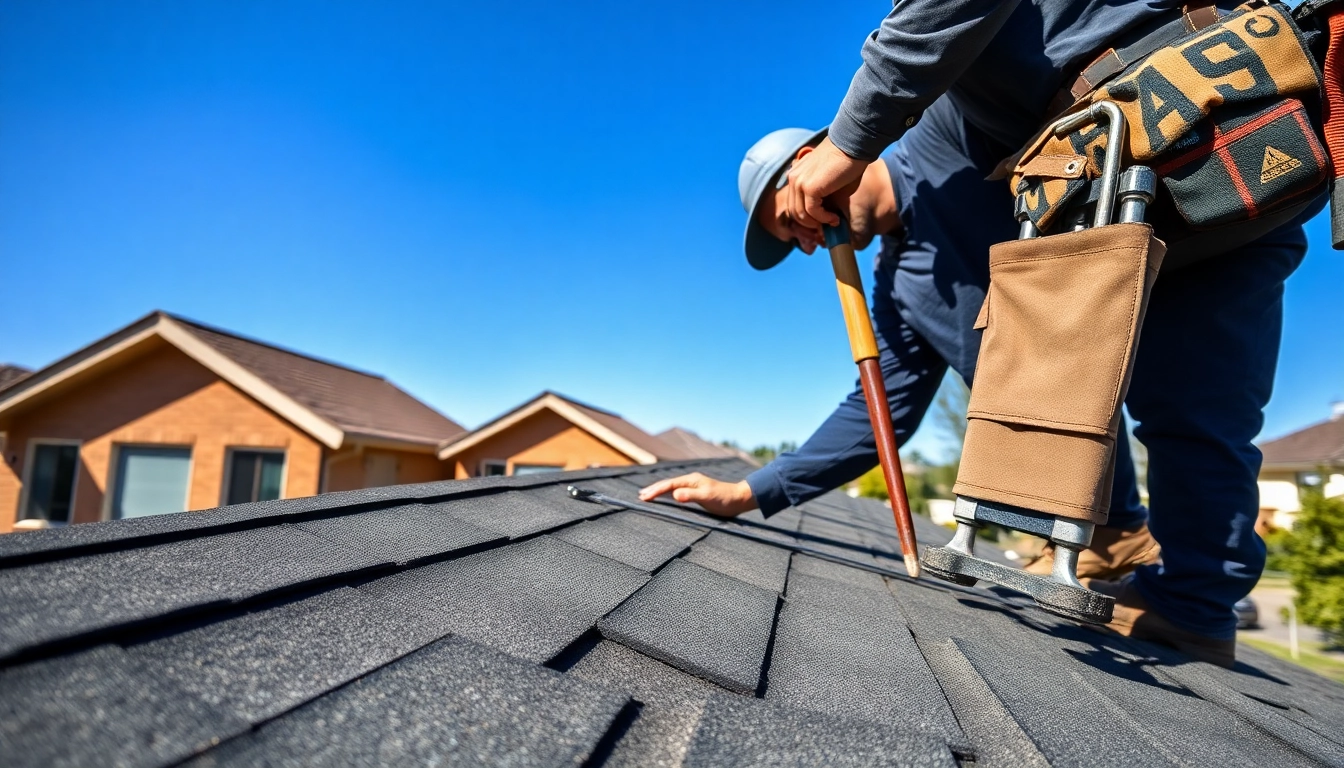
Understanding the Importance of Reliable Roofing Services
Your roof is more than just a protective cover; it is a critical component of your home that adds value and ensures its structural integrity. Therefore, finding reliable roofing services is essential to safeguard your investment. The need for quality roofing cannot be overstated, as it not only offers protection from environmental elements but also influences energy efficiency, aesthetics, and overall comfort within your home.
Defining Reliable Roofing Services
Reliable roofing services encompass a wide range of professional offerings that ensure roofs are installed, maintained, and repaired to the highest standards. These services typically include:
- Roof Installation: This involves the complete construction of a new roof using various materials.
- Roof Repair: Repair services address issues such as leaks, missing shingles, or damage caused by severe weather.
- Maintenance: Regular inspections and maintenance can prevent costly repairs down the line.
- Emergency Services: Quick response services to address urgent roofing issues, especially after storms.
Why Quality Roofing Matters
The quality of roofing directly impacts the safety, longevity, and comfort of your home. Quality roofing materials and installations can help:
- Prevent Water Damage: A well-installed roof prevents leaks that can damage interiors and structural components of the home.
- Improve Energy Efficiency: Insulated roofs save on energy bills by stabilizing indoor temperatures.
- Enhance Aesthetic Appeal: The right roofing materials can significantly boost your home's curb appeal.
- Increase Property Value: Potential buyers are more inclined to invest in homes with quality roofing, knowing it will require fewer immediate repairs.
Cost Implications of Poor Roofing Choices
Choosing subpar roofing services can lead to significant long-term costs. Poor installation or inferior materials may result in:
- Frequent Repairs: Ongoing repairs will increase your expenses over time and can eventually exceed the price of a quality roof installation.
- Decreased Home Value: Homes with visible roofing issues often attract lower offers during sales.
- Unforeseen Expenses: Issues like mold stemming from water intrusion or structural damage can lead to costly repairs beyond just the roof.
Key Features of Reliable Roofing Services
Reliable roofing services encompass several key features that serve as indicators of quality and effectiveness. When seeking roofing assistance, consider the following:
Types of Roofing Materials
Multiple roofing materials are designed for specific needs and requirements, including:
- Asphalt Shingles: A popular, cost-effective option, known for its durability and variety of styles.
- Metal Roofing: Renowned for longevity and energy efficiency, it withstands harsh weather conditions.
- Tile: Offers distinct aesthetics and excellent durability, typically used for high-end residences.
- Slate: An expensive yet long-lasting material known for its beauty and durability.
Professional Installation Process
A reliable roofing service will adhere to a rigorous installation process, ensuring every aspect is handled correctly:
- Inspection: Assessing the existing roof's condition and determining any necessary preparatory work.
- Material Selection: Discussing and selecting appropriate materials based on budget, climate, and aesthetic preferences.
- Installation: Executing the installation with skilled labor, adhering to best practices and safety standards.
- Final Inspection: Conducting a thorough inspection post-installation to ensure quality and performance standards are met.
Long-Term Maintenance and Repairs
Quality roofing services include providing ongoing maintenance options to extend the roof's lifespan. This may involve:
- Annual Inspections: Periodic checks can uncover small problems before they become major issues.
- Cleaning: Regular cleaning of debris, leaves, and grime that can lead to damage or leaks.
- Minor Repairs: Quick fixes to small issues can prevent larger headaches in the future.
Evaluating Roofing Contractors
Choosing the right roofing contractor is crucial to ensuring quality service. Take the following steps to evaluate potential contractors:
Checking Credentials and Experience
Look for contractors who are licensed, insured, and have extensive experience in the roofing industry. Credentials might include:
- Licensing: Verification that the contractor is licensed to work in your state.
- Insurance: Ensuring the contractor carries liability and workers' compensation insurance to protect you from liability.
- Experience: Contractors with a solid track record in various roofing projects typically offer more reliable service.
Customer Reviews and Recommendations
Researching customer feedback provides insight into a contractor's reliability and quality:
- Online Reviews: Platforms such as Google Reviews and Yelp can offer recent customer experiences.
- Word of Mouth: Ask friends, family, and neighbors for recommendations from contractors they trust.
- Portfolio: Request a portfolio of completed projects to assess the contractor's quality of work.
Obtaining Quotes and Comparisons
When evaluating contractors, obtaining and comparing quotes can help you make an informed decision:
- Detailed Estimates: Ensure quotes are itemized, covering materials, labor, and any additional fees.
- Scope of Work: Discuss explicitly what is included in the service to avoid unexpected costs.
- Validating Offers: Be wary of quotes that are significantly lower than others, as they may indicate cut corners on quality.
Common Challenges in Roofing Services
Roofing services come with their own set of challenges. Recognizing these and having strategies to address them is essential for a successful project.
Weather-Related Considerations
Weather can significantly impact roofing projects, especially in regions prone to storms or extreme temperatures. Key considerations include:
- Scheduling: Determine the best times of year for roofing work to minimize weather-related delays.
- Material Choices: Select materials that can withstand the conditions typical for your area's climate.
- Emergency Preparedness: Ensure the contractor can provide timely emergency repairs if severe weather occurs during a project.
Identifying Roof Damage Early
Early identification of roofing issues can save homeowners significant costs. Homeowners should regularly check for:
- Leakage Signs: Water stains on ceilings or walls may indicate roof leaks.
- Shingle Damage: Cracked or missing shingles can lead to larger issues.
- Moss and Algae Growth: This can indicate moisture retention, leading to roofing deterioration.
Navigating Warranty Issues
Warranties offer service and material protection, but understanding their terms is crucial. Consider:
- Manufacturer vs. Contractor Warranties: Understand what each warranty covers and for how long.
- Proper Installation: Warranties may require compliance with specific installation guidelines; ensure your contractor is aware.
- Documentation: Keep all warranty documentation and receipts to validate any claims upon an issue arising.
Implementing Effective Roofing Solutions
To ensure the longevity and effectiveness of your roofing solution, focus on these essential planning and maintenance strategies.
Planning for Roof Replacement
Roof replacement can be a considerable investment. Proper planning can guard against discomfort and financial strain:
- Timing: Schedule replacements during off-seasons to ensure contractors are available and rates may be more favorable.
- Material Choice: Research materials suited to your climate for effective investment.
- Budget Planning: Prepare a budget that includes unforeseen expenses for contingencies.
Scheduling Regular Roof Inspections
Proactive inspections can prevent significant issues:
- Annual Checkups: Schedule a professional inspection yearly to assess roofing condition.
- Post-Storm Assessments: After severe weather, have your roof inspected for hidden damage.
- Documentation: Keep a log of inspections and repairs to track the roof’s condition over time.
Innovative Technologies in Roofing Services
Advancements in roofing technologies can enhance roof performance and longevity. Key innovations include:
- Cool Roofing: Reflective materials reduce heat absorption, improving energy efficiency.
- Smart Roofs: Integration of technology that allows monitoring of roof conditions in real-time.
- Green Roofing: Living roofs can provide insulation and stormwater management, promoting sustainability.