
Understanding Fly Fishing Nets
What is a Fly Fishing Net?
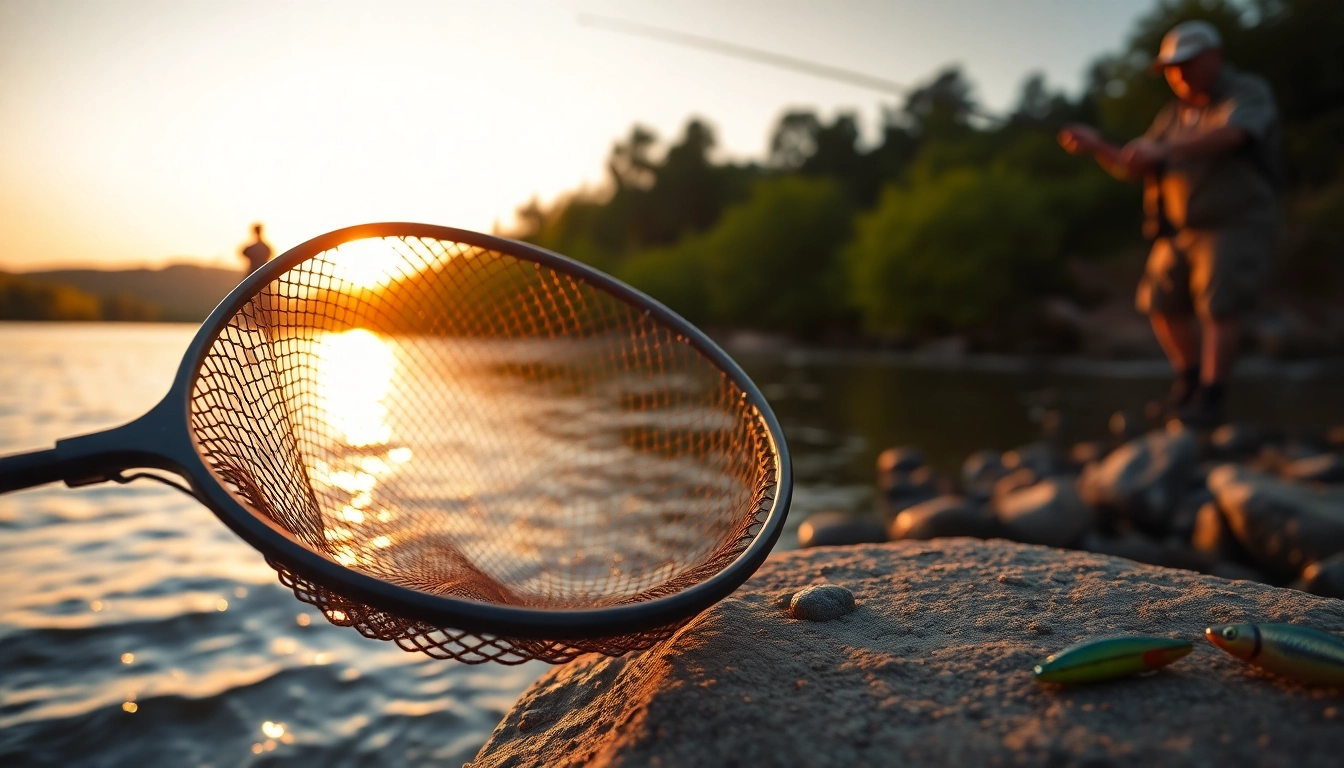
A fly fishing net is an essential tool for any fly angler, serving multiple purposes throughout the fishing experience. Primarily, it is used to land fish effectively while minimizing harm to the catch. Unlike traditional nets designed for spinning reels, fly fishing nets are typically larger and have a more shallow bag, which allows for a gentler capture. The design of a fly fishing net facilitates the delicate handling of fish, especially when practicing catch and release. Fly fishing nets can enhance your overall fishing experience by ensuring a successful landing while protecting the fish you have worked hard to catch.
Types of Fly Fishing Nets
When choosing a fly fishing net, it's important to understand the various types available. Each type caters to specific fishing needs and conditions:
- Landing Nets: Often featuring a hoop with an attached netting, these nets are designed for landing fish quickly and safely. They come in various sizes depending on the type of fish targeted.
- Fish-Friendly Nets: These nets are constructed with materials that are gentler on fish scales and slime, reducing the risk of harming them.
- Boat Nets: Specifically designed for use on boats, these nets often feature longer handles to make landing fish easier from the confines of a small vessel.
- Wading Nets: These are typically smaller and lightweight, perfect for anglers who wade into streams and rivers. They can often be clipped to a vest for easy access.
Materials Used in Fly Fishing Nets
The construction materials of a fly fishing net can significantly affect its performance, durability, and suitability for specific fishing environments. Common materials include:
- Wood: Traditional nets are often made from wood, which provides a natural aesthetic appeal, sustains long-term use, and holds better in water.
- Aluminum: Lightweight and durable, aluminum nets are favored by many anglers for their portability and resistance to rust.
- Composite Materials: These nets combine the best elements of different materials, offering a balance of strength and lightweight properties, making them easier to carry during long treks.
Key Features to Look For
Size and Shape Considerations
The size and shape of a fly fishing net are crucial aspects to consider, as they can impact how easily you can land a fish. A net should be large enough to accommodate the size of the fish typically targeted but not so large that it becomes cumbersome to handle. A common recommendation is to select a net with a hoop diameter of 18 to 24 inches for average freshwater fishing. The net shape can also affect how fish are secured; a deeper, more elongated shape can help, especially when dealing with larger species.
Mesh Types and Their Benefits
The type of mesh used in a fly fishing net can vary significantly. Common options include:
- Soft Mesh: Best for minimizing injury to fish, soft mesh nets are ideal for anglers who practice catch and release.
- Rubber Mesh: This type of material helps reduce the chance of tangles and is more resistant to odors and damage from hooks, making it a popular choice among serious anglers.
- Traditional Nylon Mesh: While it’s more affordable, nylon mesh can be harsher on fish, making it less ideal for catch and release practices.
Handle Length and Grip
A comfortable grip and appropriate handle length are critical for effective netting. Anglers should look for nets with ergonomic handles that provide a secure hold, particularly in slippery conditions. The handle length should also match the type of fishing you do; shorter handles are suitable for wading while longer handles are advantageous in boat fishing situations.
How to Use a Fly Fishing Net Effectively
Techniques for Landing Fish
Landing a fish correctly using a fly fishing net requires practice and technique. Upon bringing the fish close, make sure to keep the rod at an angle to allow the fish to tire. Position the net downstream of the fish if possible and move it towards the fish gently. Scooping the fish from beneath and ensuring the head enters the net first helps in a successful landing while reducing stress on the fish.
Best Practices for Catch and Release
When practicing catch and release, it’s essential to handle the fish with care. Always wet your hands before touching the fish to minimize skin damage. Use a net with soft mesh to avoid injuring the fish and refrain from keeping it out of water for too long. Once you've photographed your catch, make sure to support its body while gently returning it to the water to help revive it before it swims away.
Choosing the Right Time to Net
Understanding when to use your net is vital for an effective fishing experience. Key indicators include:
- As the fish tires: The best time to net is when the fish is not actively fighting back.
- Positioning: If the fish takes a run towards shallow waters, it's ideal to have your net ready for a quick scoop.
Maintenance and Care for Your Fly Fishing Net
Cleaning and Storage Tips
Proper care for your fly fishing net ensures longevity. After each use, rinse the net with clean water to eliminate salt, algae, or other debris. Avoid exposing nets made of wood to prolonged moisture to prevent warping or rotting. Storing the net in a cool, dry place will also help maintain its condition.
Inspecting for Damage
Regular inspections are essential to ensure your net remains functional. Check the netting for signs of wear, such as fraying or tears, and inspect the handle for cracks or loose connections. Address any issues promptly to avoid failures during use.
Extending the Lifespan of Your Net
To extend the lifespan of your fly fishing net, consider the following tips:
- Use a net bag to protect it when transporting it.
- Store the net indoors away from extremes of temperature and humidity.
- Regularly treat wooden nets with protective oils or varnish to maintain their integrity.
Recommended Fly Fishing Nets on the Market
Top Brands and Their Features
Several reputable brands produce high-quality fly fishing nets, catering to various preferences and price points. Key brands include:
- Fishpond: Known for eco-friendly materials, Fishpond nets offer innovative designs with durability and functionality.
- ECHO: ECHO's nets are lightweight, portable, and often come with features like magnetic net release mechanisms, which many anglers appreciate.
- Orvis: With a longstanding reputation in the fishing industry, Orvis provides a range of nets valued for their quality and craftsmanship.
Price Ranges and Value
The price of fly fishing nets can significantly vary based on factors such as material, brand, and additional features. Budget models typically start around $20, while premium nets can exceed $200. Investing in a mid-range net often balances quality and affordability, providing reliable performance without breaking the bank.
User Reviews and Recommendations
Before purchasing a fly fishing net, consider checking user reviews and recommendations. Many anglers share insights regarding the usability, durability, and overall performance of various nets. Online communities, forums, and outdoor retailer websites can provide valuable feedback that can guide your purchasing decisions.