
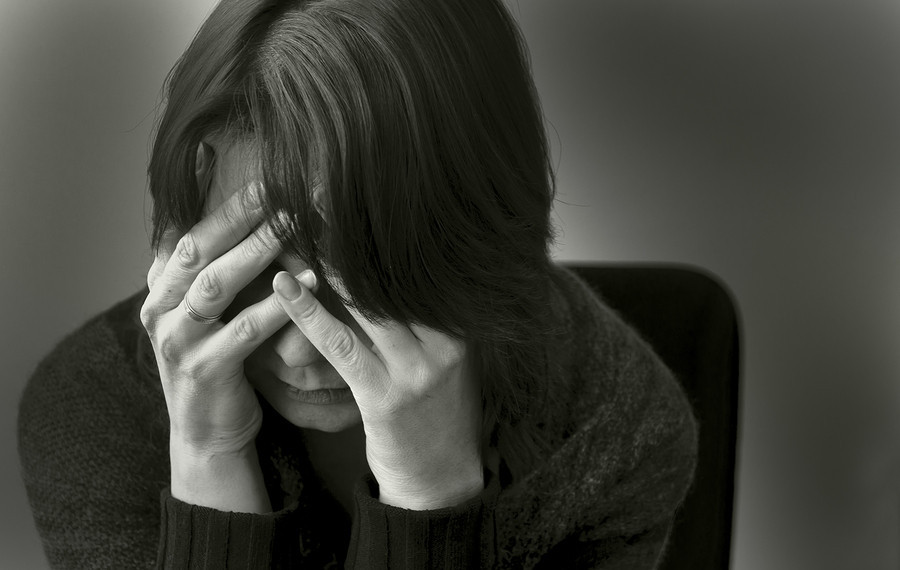
Anxiety is a common mental health condition that affects millions of people worldwide. It is more than just occasional worry or stress; it can disrupt daily life, impact physical health, and interfere with emotional well-being. One of the most challenging aspects of anxiety is how it affects sleep, focus, and mood. Recognizing these Anxiety symptoms early can help individuals take steps to manage their condition effectively. At Calm Minds Hub, we are committed to providing a secure and reliable environment to understand anxiety and support emotional health.
- Understanding Anxiety Symptoms
- How Anxiety Affects Sleep
- Anxiety Symptoms and Focus
- Anxiety Symptoms and Mood
- Physical Symptoms Linked to Anxiety
- Behavioral Changes Associated with Anxiety
- Practical Strategies to Manage Anxiety Symptoms
- Lifestyle Changes to Support Emotional Health
- Real-Life Example of Anxiety Management
- Conclusion
- FAQs
Understanding Anxiety Symptoms
Anxiety symptoms can manifest in various ways, ranging from mild discomfort to severe disruptions in daily functioning. Common anxiety symptoms include:
- Persistent worry or fear that is difficult to control
- Restlessness or feeling on edge
- Muscle tension or physical discomfort
- Rapid heartbeat or shortness of breath
- Irritability or difficulty relaxing
These symptoms can appear alone or in combination and may fluctuate in intensity depending on life circumstances. Understanding anxiety symptoms is the first step toward managing their impact on your daily life.
How Anxiety Affects Sleep
Sleep is essential for physical and emotional health, but anxiety can make it difficult to achieve restorative rest. Anxiety symptoms often disrupt sleep in the following ways:
Difficulty Falling Asleep
Anxious thoughts can make it hard to relax at bedtime. People experiencing anxiety may replay stressful events, worry about future challenges, or ruminate on personal concerns. This constant mental activity delays the ability to fall asleep, leading to frustration and exhaustion.
Frequent Nighttime Awakenings
Even if someone falls asleep, anxiety can cause them to wake up multiple times during the night. Physical symptoms like a racing heart, sweating, or muscle tension may make it difficult to return to sleep, further reducing overall sleep quality.
Poor Sleep Quality
Anxiety often reduces the amount of deep, restorative sleep, leaving individuals feeling tired even after a full night in bed. Poor sleep quality can worsen anxiety symptoms, creating a vicious cycle of stress and insomnia.
Case Study Example
Consider Sarah, a 16-year-old student preparing for final exams. She constantly worries about her grades and future. At night, her mind races, preventing her from falling asleep. When she does sleep, she wakes up frequently, feeling restless and anxious. Her lack of sleep makes it harder for her to focus during school, creating a cycle of worsening anxiety.
Anxiety Symptoms and Focus
Anxiety can significantly impact concentration and cognitive performance. When the mind is preoccupied with worry, it becomes challenging to maintain attention on tasks, leading to decreased productivity and frustration.
Mental Fog
One of the common anxiety symptoms is a feeling of mental fog or brain fog. People may find it difficult to remember details, follow instructions, or make decisions. This symptom often affects students, professionals, and anyone dealing with demanding tasks.
Difficulty Prioritizing
Anxiety can make it challenging to determine what is important. Individuals may become overwhelmed by multiple tasks or responsibilities, leading to procrastination or incomplete work.
Case Study Example
John, a 35-year-old office worker, constantly worries about job security. During meetings, he finds it hard to focus, misses important details, and struggles to complete projects on time. His anxiety symptoms directly affect his performance and confidence, creating more stress.
Strategies to Improve Focus
- Break tasks into smaller, manageable steps
- Use time-blocking techniques to allocate focused periods for work
- Practice mindfulness exercises to reduce intrusive thoughts
- Limit multitasking to maintain concentration on one task at a time
Anxiety Symptoms and Mood
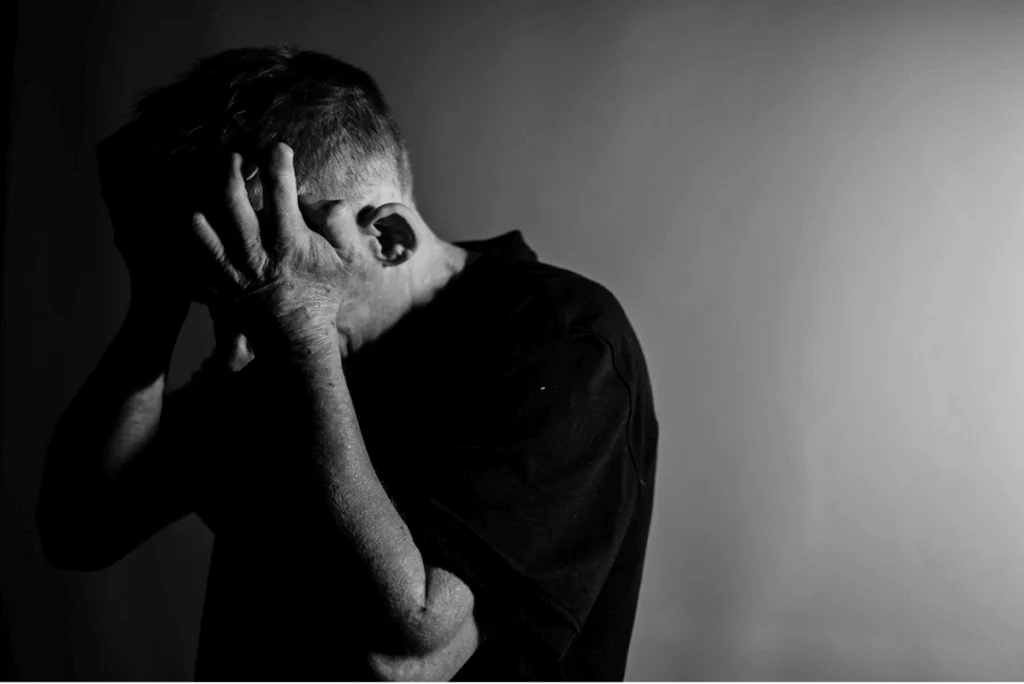
Anxiety has a strong influence on emotional well-being. Persistent anxiety symptoms can cause mood swings, irritability, and feelings of hopelessness. Recognizing these changes is important for maintaining healthy relationships and personal stability.
Irritability and Frustration
People with anxiety often experience heightened irritability. Minor inconveniences or challenges can trigger disproportionate frustration, leading to conflicts with family, friends, or coworkers.
Low Mood and Emotional Drain
Chronic anxiety can result in emotional exhaustion. Individuals may feel sad, discouraged, or unmotivated. These mood changes can interfere with social interactions and overall quality of life.
Heightened Sensitivity
Anxiety symptoms may cause increased sensitivity to stressors. People may react strongly to criticism or negative feedback, making it harder to cope with everyday challenges.
Case Study Example
Emma, a 28-year-old teacher, notices that her anxiety symptoms make her short-tempered with students and colleagues. She feels drained by the end of the day, experiencing sadness and frustration. Recognizing the connection between her anxiety and mood helps her seek strategies to manage emotional responses.
Physical Symptoms Linked to Anxiety
Physical sensations often accompany anxiety symptoms, influencing sleep, focus, and mood. Some common physical symptoms include:
- Increased heart rate or palpitations
- Muscle tension and headaches
- Gastrointestinal issues like nausea or diarrhea
- Shortness of breath or tightness in the chest
These physical symptoms can exacerbate anxiety, creating a feedback loop that affects overall well-being.
Behavioral Changes Associated with Anxiety
Anxiety symptoms may also lead to changes in behavior. People might:
- Avoid social situations or responsibilities
- Engage in compulsive behaviors to relieve stress
- Develop unhealthy coping strategies, such as overeating or excessive screen time
- Struggle with maintaining daily routines
Recognizing these behavioral patterns is crucial for addressing anxiety effectively.
Practical Strategies to Manage Anxiety Symptoms
Managing anxiety symptoms requires a holistic approach that addresses both mental and physical health. Here are several strategies:
Mindfulness and Relaxation Techniques
Practicing mindfulness can reduce the intensity of anxious thoughts. Techniques include:
- Deep breathing exercises
- Progressive muscle relaxation
- Meditation or guided imagery
Regular Physical Activity
Exercise helps reduce stress and improves mood. Activities such as walking, yoga, or swimming can release tension and promote better sleep.
Healthy Sleep Habits
Creating a consistent sleep routine and optimizing the sleep environment can improve sleep quality despite anxiety symptoms. Tips include:
- Going to bed and waking up at the same time daily
- Limiting screen time before bed
- Keeping the bedroom dark, quiet, and cool
Cognitive Behavioral Strategies
Cognitive-behavioral techniques help challenge negative thought patterns. Techniques include:
- Identifying and reframing irrational thoughts
- Practicing positive self-talk
- Setting realistic goals and expectations
Seeking Professional Support
Therapists, counselors, and medical professionals can provide personalized guidance for managing anxiety. Support may include talk therapy, lifestyle adjustments, or, in some cases, medication.
Lifestyle Changes to Support Emotional Health
In addition to targeted strategies, general lifestyle adjustments can reduce anxiety symptoms:
- Maintain a balanced diet rich in fruits, vegetables, and whole grains
- Limit caffeine and alcohol, which can exacerbate anxiety
- Stay socially connected with supportive friends and family
- Engage in hobbies and activities that promote relaxation and joy
Real-Life Example of Anxiety Management
Michael, a college student, struggled with anxiety symptoms that affected his sleep, focus, and mood. By incorporating mindfulness meditation, regular exercise, and cognitive-behavioral strategies, he gradually reduced anxiety-related disruptions. Over time, Michael noticed improved sleep, better concentration in classes, and more stable moods, demonstrating the effectiveness of proactive anxiety management.
Conclusion
Anxiety symptoms can profoundly impact sleep, focus, and mood, affecting daily functioning and overall well-being. Recognizing these symptoms early and understanding their effects is essential for managing anxiety effectively. Strategies such as mindfulness, exercise, healthy sleep habits, cognitive-behavioral techniques, and professional support can help reduce the burden of anxiety. At Calm Minds Hub, we emphasize kindness, understanding, and practical solutions to empower individuals to improve emotional health. By addressing anxiety proactively, you can achieve better sleep, enhanced focus, and a more balanced mood, leading to a healthier and more fulfilling life. Click here to return to the homepage and unlock more content.
FAQs
What are the most common anxiety symptoms that affect sleep?
Common anxiety symptoms affecting sleep include racing thoughts, restlessness, frequent nighttime awakenings, and difficulty falling asleep. These symptoms can reduce sleep quality and cause daytime fatigue.
How can anxiety symptoms interfere with focus and concentration?
Anxiety symptoms often lead to mental fog, difficulty prioritizing tasks, and intrusive thoughts. This makes it challenging to concentrate on work or studies, leading to reduced productivity and increased stress.
What strategies can help manage anxiety symptoms affecting mood?
Managing anxiety symptoms that affect mood can involve mindfulness exercises, regular physical activity, maintaining social connections, cognitive-behavioral techniques, and seeking professional support when necessary.