
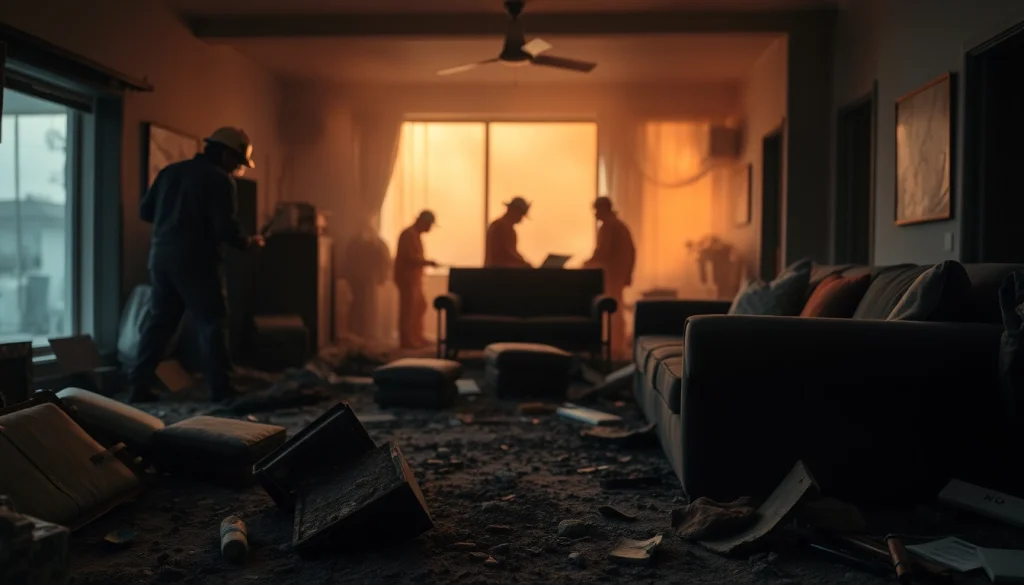
The Impact of Fire on Personal Property Damage
Fire incidents can be devastating, leaving homes and businesses in ruins. When flames sweep through a property, the effects on personal belongings can be catastrophic. In many cases, such incidents lead to the loss of treasured items, vital documents, and everyday necessities, often contributing to a significant emotional and financial burden on the victims. Understanding the implications of Personal property damage during fire is crucial for effective recovery. Below, we delve into various forms of fire-related property damage and the causes that often contribute to these incidents.
Types of Damaged Property
Fire damage can manifest in multiple forms, impacting different types of personal property. Understanding these impacts is essential for accurate insurance claims and recovery efforts. Key types of damaged property include:
- Structural Damage: This refers to damage to the physical structure of a home or building, which may include walls, ceilings, and roofs.
- Contents Damage: Items within the property, such as furniture, appliances, clothing, and electronics are often severely affected. Direct exposure to flames or prolonged exposure to heat can render these items unusable.
- Smoke Damage: Smoke can infiltrate areas not directly touched by flames. It can leave soot on walls and furniture and create lingering odors that require professional cleaning.
- Water Damage: Firefighting efforts often involve the use of water, leading to additional damage to personal property. This includes the risk of mold and structural decay.
Common Causes of Fire Damage
Various factors can trigger a fire, and understanding these can help in preventing future incidents. Common causes include:
- Electrical Failures: Faulty wiring or overloaded circuits can spark fires, often silently and without warning.
- Candles and Cooking: Unattended candles or cooking equipment can ignite flammable materials, leading to significant fire damage.
- Heating Equipment: Space heaters and other equipment not maintained properly can become fire hazards.
- Arson: Malicious intent, whether through vandalism or other criminal activities, can lead to fires that result in extensive property damage.
Understanding Smoke and Water Damage
Smoke and water damage can often pose greater challenges than direct fire damage itself. Smoke can permeate materials, leaving behind harmful residues and odors that are difficult to remove. Meanwhile, water damage, often a byproduct of firefighting efforts, may lead to structural issues and mold growth if not addressed immediately.
Proper assessment and remediation strategies are vital to restoring affected properties and salvaging personal belongings.
Navigating Insurance Claims for Personal Property Damage During Fire
When dealing with the aftermath of fire damage, navigating the insurance claims process is essential for recovery. Understanding your rights and responsibilities ensures a smoother process and helps in maximizing the settlement received.
Filing Your Claim: Essential Steps
The first step in filing your claim involves gathering all relevant information and documentation. Promptly notifying your insurance provider is crucial. Ensure you complete the necessary paperwork and provide detailed accounts of the damage. Taking proactive steps can significantly expedite the claim process.
Documentation Required for Claims
Documentation plays a critical role in the claims process. Essential items include:
- Photographs and Videos: Visual evidence showing the extent of the damage can bolster your claim and facilitate the assessment process.
- Inventory Lists: Creating a list of lost or damaged items helps establish a clear record of your losses.
- Receipts: Providing receipts or proof of purchase for high-value items can substantiate your claim and justify the value of the losses claimed.
Common Insurance Policy Pitfalls
Many policyholders face challenges during the claims process due to gaps in coverage or misunderstandings regarding policy language. Common pitfalls include:
- Not understanding the specific terms of coverage for personal property damage and how limits apply.
- Failing to report the claim within the required time frame set by the insurer.
- Omitting critical documentation, leading to delays or denials in claims processing.
Proving Value of Lost Property
To successfully recover losses through insurance claims, proving the value of the property destroyed or damaged is essential. The demonstration of value involves documenting both tangible and intangible aspects of personal property.
Creating an Inventory List
A comprehensive inventory list should detail each item’s description, value, condition, and category (e.g., furniture, electronics). Maintaining this documentation, ideally prior to any loss, can ease claims processing significantly.
Valuing Damaged Items: Methods to Use
Valuation is often one of the most disputatious aspects of an insurance claim. Common methods for valuing damaged items include:
- Replacement Cost: This method involves calculating the cost to replace an item with a new equivalent. Insurance may cover replacement costs, depending on policy specifics.
- Actual Cash Value: This valuation subtracts depreciation from the item’s original value, representing what the item would be worth at the time of loss.
The Role of Receipts and Documentation
Keeping a record of receipts for purchases is vital. In the absence of receipts, any documentation proving possession and value, such as photographs or appraisals, can assist in establishing claims and settlements.
Best Practices for Recovery After Fire Damage
Recovery from fire damage is a process that can be enhanced through carefully planned strategies. Key practices that aid in recovery include immediate response actions and long-term planning.
Immediate Steps to Take
After experiencing fire damage, immediate actions include contacting emergency services, securing the property, and commencing initial cleanup efforts. Properly documenting the damage through photographs and starting salvage efforts on less damaged items can effectively minimize losses.
Working with Adjusters and Appraisers
Effective communication with insurance adjusters and appraisers can significantly influence the claims process. Be prepared to answer questions regarding the extent of damage, provide required documentation, and advocate for your property’s true value.
Long-Term Recovery Strategies
Beyond immediate recovery, long-term planning includes assessing your needs for rebuilding, considering updates to home safety measures to prevent future incidents, and taking care of mental health support. Recovery is not just physical but also emotional and psychological, necessitating a comprehensive approach.
FAQs About Personal Property Damage During Fire
What should I do immediately after a fire?
Contact emergency services, ensure your safety, and take steps to prevent further damage. Document everything with photographs for future claims.
How can I document personal property damage during a fire?
Make a detailed list of damaged items, capture photographs, and retain receipts whenever possible, as these documents are crucial for claims.
Does my insurance cover personal property damage during fire?
Typically, homeowners or renters insurance policies cover fire-related personal property damage. Check your specific policy for details.
What evidence is needed for a fire damage claim?
Gather photographs of the damage, lists of lost items, and receipts for valuable possessions, as thorough documentation is necessary for claims.
What if my items are partially damaged?
Insurance may cover repairs or part-replacement costs depending on the extent of damage and the terms of your policy. Check with your insurer for specific coverage.