
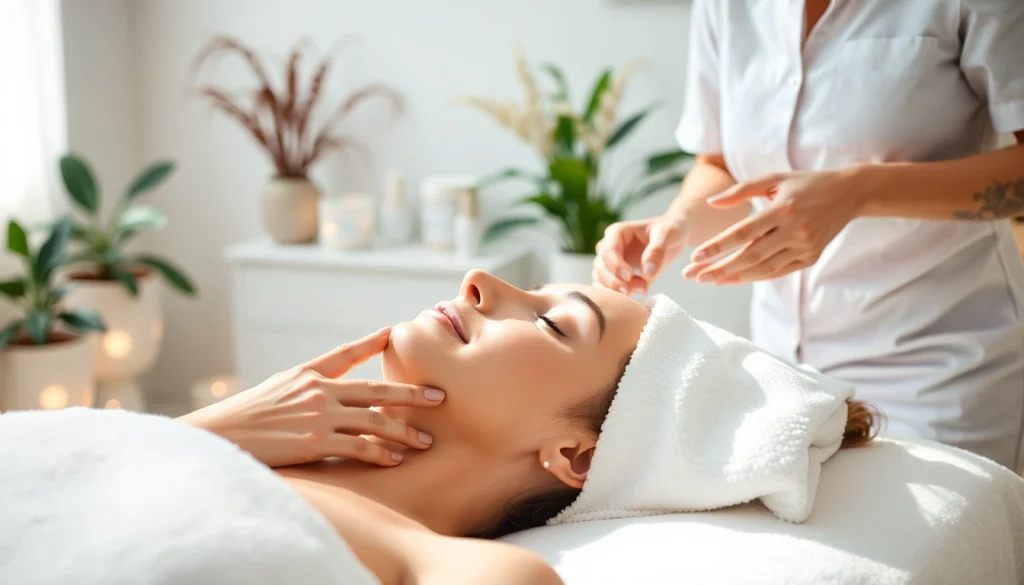
Understanding Face Treatments
What are Face Treatments?
Face treatments encompass a wide range of skincare procedures aimed at enhancing the appearance, texture, and health of the facial skin. These treatments can be performed in a professional setting, often utilizing specialized tools and products, or can be carried out at home with over-the-counter products. At their core, face treatments are designed to cleanse, exfoliate, hydrate, and rejuvenate the skin, addressing various concerns such as acne, dryness, aging, and uneven skin tone. By incorporating these treatments into a regular skincare routine, individuals can achieve a radiant and healthy complexion.
The Importance of Professional Skin Care
While numerous home remedies and products exist, professional skincare treatments offer several advantages. Firstly, skincare professionals can assess the unique needs of your skin, recommending tailored treatments that address specific issues. Furthermore, they utilize high-quality products and advanced techniques that may not be accessible through retail options. This level of expertise and product potency often results in more effective and noticeable outcomes. For example, professional treatments can incorporate potent ingredients such as retinoids and acids in higher concentrations than typical consumer products. Investing in professional skincare, including Face Treatments, is therefore crucial for anyone seeking significant improvements in skin health.
Common Types of Face Treatments
There are several common types of face treatments, each serving different purposes. Some of the most popular include:
- Facials: Customized skincare routines that involve cleansing, exfoliation, masks, and moisturization tailored to skin type and concerns.
- Chemical Peels: Treatments that use acids to exfoliate the skin, improving texture and reducing pigmentation.
- Microdermabrasion: A non-invasive procedure that exfoliates the skin using tiny crystals, promoting cell turnover and brighter skin.
- Laser Treatments: Advanced techniques that utilize focused light to target specific skin concerns such as pigmentation and fine lines.
- Botox and Dermal Fillers: Injectable treatments designed to reduce wrinkles and restore volume in facial features.
Choosing the Right Face Treatments for Your Needs
Assessing Your Skin Type
Understanding your skin type is essential in selecting the appropriate face treatments. Common skin types include:
- Oily Skin: Characterized by excess sebum production, this skin type may benefit from treatments focused on deep cleansing and oil control.
- Dry Skin: Lacking moisture, dry skin often requires hydrating treatments that nourish and restore suppleness.
- Sensitive Skin: Prone to irritation and redness, sensitive skin needs gentle treatments that minimize inflammation.
- Combination Skin: Exhibiting traits of both oily and dry skin, combination skin may require a mix of treatments to balance its various areas.
By carefully analyzing factors such as skin type, sensitivity, and existing skin concerns, you can better determine which face treatments will be the most effective.
Consultation with Skincare Professionals
Scheduling a consultation with a skincare professional can provide invaluable insights into your specific skin needs and concerns. During a consultation, professionals typically conduct skin assessments, discuss your skincare goals, and recommend a personalized treatment plan. This collaborative approach ensures that the treatments selected will target your unique concerns effectively while also considering any potential sensitivities or contraindications related to your skin type.
It’s crucial to feel comfortable and understood during this consultation, as clear communication with the skincare expert can lead to better results and overall satisfaction with the chosen face treatments.
Personalized Treatment Plans
Once assessed, a skincare professional can create a personalized treatment plan that may combine several types of face treatments. For example, an individual with oily, acne-prone skin may benefit from a regimen that includes regular facials, chemical peels, and targeted homecare products. A well-structured treatment plan not only enhances efficacy but also allows for close monitoring and adjustments based on the skin’s response. Regular follow-ups can help track progress and make necessary changes to the regimen.
Popular Techniques for Face Treatments
Chemical Peels Explained
Chemical peels are an effective method for rejuvenating the skin and addressing concerns like acne, pigmentation, and fine lines. They involve the application of a chemical solution that exfoliates the skin’s surface, promoting new cell growth. Chemical peels come in different strengths, including:
- Superficial Peels: Use mild acids to treat the uppermost layers of skin and are suitable for all skin types and conditions.
- Medium Peels: Penetrate deeper into the skin and are often used for more significant concerns, requiring a bit more recovery time.
- Deep Peels: Target severe skin issues and necessitate more significant downtime but can yield dramatic improvements.
Chemical peels not only improve the appearance of the skin but also stimulate collagen production for enhanced firmness and elasticity.
Microdermabrasion Benefits
Microdermabrasion is a non-invasive treatment that exfoliates the skin, revealing a smoother and brighter complexion. It effectively removes dead skin cells, unclogs pores, and minimizes the appearance of fine lines and age spots. The benefits of microdermabrasion include:
- Non-Surgical: No needles or incisions are involved, making it a safe option for most skin types.
- Minimal Downtime: Individuals can return to their normal activities right after the treatment.
- Immediate Results: Clients often notice smoother skin and enhanced radiance immediately after the procedure.
Regular microdermabrasion treatments can lead to cumulative benefits over time, helping to maintain a youthful appearance.
Laser Treatments Overview
Laser treatments have become increasingly popular for their ability to target a variety of skin concerns with precision. Different types of lasers can be employed, each serving a distinct purpose:
- Fractional Laser: Targets micro-areas of skin, promoting healing and rejuvenation without extensive downtime.
- IPL (Intense Pulsed Light): Works effectively on pigmentation issues and vascular lesions, delivering a more even skin tone.
- CO2 Laser: A more invasive option to treat deep wrinkles and sun damage, requiring longer recovery but yielding significant results.
Laser treatments can help improve texture, tone, and overall skin quality, making them a versatile option for various concerns.
Aftercare for Optimal Results
Post-Treatment Skin Care Routine
Following any face treatment, proper aftercare is paramount for achieving the desired results. Each treatment type comes with specific aftercare recommendations, but general tips include:
- Use gentle cleansers to avoid irritation.
- Apply moisturizers geared towards hydration.
- Use sunscreen diligently, as treated skin can be more sensitive to sun exposure.
- Avoid abrasive products or exfoliants for a set period.
Adhering to a proper aftercare routine helps protect the skin while enhancing the effects of the treatments.
Avoiding Common Mistakes
Many individuals make mistakes in their aftercare routines, such as skipping sunscreen or using harsh products too soon. It’s crucial to avoid:
- Skipping follow-up appointments or recommendations from skincare professionals.
- Ignoring signs of irritation or adverse reactions.
- Neglecting hydration, which is essential for recovery.
By staying informed and cautious, clients can maintain optimal results from their face treatments.
When to Schedule Follow-Up Treatments
Determining the right time for follow-up treatments can depend on the type of procedure and individual skin responses. For instance, many clients find that scheduling follow-up treatments every 4-6 weeks works well to maintain results from chemical peels or facials. Always consult with your skincare professional to develop a personalized follow-up schedule that meets your unique needs, maximizing the effectiveness of your treatments and ensuring your skin remains healthy and radiant.
FAQs About Face Treatments
What is the best face treatment for acne?
Chemical peels and laser treatments can effectively minimize acne and reduce scarring by resurfacing the skin.
How often should I get face treatments?
Frequency depends on the type of treatment and skin condition, but typically every 4-6 weeks is recommended for many procedures.
Are face treatments safe for sensitive skin?
Many face treatments can be customized for sensitive skin. It’s best to consult a skincare professional.
Can I combine different face treatments?
Yes, combining treatments can enhance results, but it’s essential to follow a professional’s advice for the best outcomes.
What should I expect during a face treatment?
Expect a consultation, a relaxing environment, and a personalized approach tailored to your skin’s needs throughout the session.