
Smart Home Technology to Improve Energy Efficiency
In recent years, the integration of Smart Home technology has transformed the way homeowners manage their living spaces. Beyond convenience and automation, one of the most compelling benefits of a Smart Home is its ability to enhance energy efficiency. As environmental concerns intensify and energy costs rise, homeowners are increasingly seeking intelligent solutions that reduce waste, optimize energy consumption, and contribute to sustainability. From automated lighting and heating systems to advanced energy monitoring tools, Smart Home technology is paving the way for a more efficient and environmentally responsible lifestyle.
The Growing Importance of Energy Efficiency in Modern Homes
Energy efficiency has become a cornerstone of contemporary home design. Traditional homes often suffer from inefficient energy use due to outdated systems, poor insulation, and lack of real-time monitoring. High energy consumption not only inflates utility bills but also contributes to environmental degradation through increased carbon emissions. By incorporating Smart Home technology, homeowners can gain greater control over energy usage, monitor consumption patterns, and implement targeted strategies to minimize waste. The result is a home that is not only more cost-effective but also environmentally conscious, aligning with the global push toward sustainable living.
How Smart Home Systems Optimize Energy Consumption
The core of a Smart Home lies in its interconnected systems, which communicate seamlessly to optimize efficiency. Smart thermostats, lighting systems, and appliances are designed to respond intelligently to the homeowner’s habits and environmental conditions. For example, a smart thermostat can learn daily routines, adjusting heating and cooling schedules to prevent unnecessary energy use. Similarly, automated lighting systems can detect occupancy and natural light levels, ensuring that lights are used only when needed. These technologies collectively reduce energy consumption without compromising comfort, creating a living environment that is both efficient and adaptable.
Smart Thermostats: Redefining Home Climate Control
Smart thermostats represent one of the most impactful Smart Home innovations for energy efficiency. Traditional thermostats require manual adjustments and often operate on fixed schedules that do not account for real-time changes in occupancy or weather conditions. In contrast, smart thermostats leverage sensors, machine learning algorithms, and mobile connectivity to optimize heating and cooling in real-time. Homeowners can remotely control the thermostat through smartphone apps, allowing for precise temperature management even when away from home. Over time, these systems adapt to personal preferences and daily routines, resulting in significant reductions in energy consumption and utility costs.
Intelligent Lighting Systems and Energy Savings
Lighting is another critical area where Smart Home technology drives energy efficiency. Conventional lighting systems are often left on unnecessarily, consuming energy and contributing to higher utility bills. Smart lighting solutions utilize motion sensors, occupancy detection, and automated scheduling to ensure lights are active only when required. Moreover, integration with natural daylight sensors allows the system to adjust brightness levels according to ambient light, further reducing energy waste. Smart lighting not only cuts costs but also extends the lifespan of bulbs, providing long-term benefits for both homeowners and the environment.
Energy-Efficient Smart Appliances
The evolution of Smart Home technology extends to appliances that traditionally consume substantial energy. Smart refrigerators, washing machines, and dishwashers are now equipped with energy-monitoring features that allow homeowners to track usage and operate appliances during off-peak hours. These devices provide detailed consumption reports, enabling informed decisions about energy use. For instance, a smart washing machine can adjust water and electricity usage based on load size, while a smart refrigerator can optimize cooling cycles depending on internal temperature fluctuations. Such intelligent systems ensure that appliances deliver peak performance while minimizing energy consumption.
Home Energy Monitoring: Understanding Consumption Patterns
A key advantage of a Smart Home is the ability to monitor and analyze energy consumption in real-time. Advanced energy monitoring systems track electricity usage at the appliance and circuit levels, providing homeowners with a comprehensive view of their energy footprint. By identifying high-consumption areas, these systems empower homeowners to make strategic adjustments that reduce waste. Many platforms also offer predictive analytics, alerting users to potential inefficiencies and suggesting energy-saving strategies. The result is a proactive approach to energy management that fosters sustainability and cost reduction.
Integration of Renewable Energy with Smart Home Technology
The synergy between Smart Home systems and renewable energy sources offers another dimension of energy efficiency. Solar panels, for instance, can be integrated with smart energy management platforms to optimize the use of generated electricity. Homeowners can monitor production and consumption patterns, store excess energy in smart batteries, and reduce reliance on the grid during peak hours. Additionally, smart inverters and controllers ensure that energy is distributed efficiently throughout the home, maximizing the benefits of renewable energy investments. By combining Smart Home technology with renewable sources, homeowners can achieve significant environmental and financial advantages.
Automated Window Treatments and Energy Conservation
Energy efficiency in a Smart Home extends beyond appliances and lighting to architectural elements such as windows and curtains. Automated window treatments can respond to sunlight, temperature, and time of day, regulating indoor climate without manual intervention. During hot summer months, smart blinds can close to prevent heat gain, reducing the burden on cooling systems. Conversely, in winter, they can open to allow sunlight to warm living spaces naturally. This intelligent approach to controlling natural light and heat flow not only improves comfort but also reduces energy consumption, contributing to a more sustainable household.
The Role of Artificial Intelligence in Smart Home Energy Management
Artificial intelligence (AI) has become an integral component of advanced Smart Home systems. AI algorithms analyze data from sensors, devices, and historical usage patterns to predict energy needs and optimize system performance. For example, AI can anticipate periods of high energy demand and adjust thermostat settings or appliance operation accordingly. It can also detect anomalies in energy consumption, such as malfunctioning appliances or inefficient lighting, and provide actionable recommendations. By leveraging AI, Smart Home technology moves beyond automation to intelligent decision-making, significantly enhancing energy efficiency.
Smart Home Security Systems and Energy Efficiency
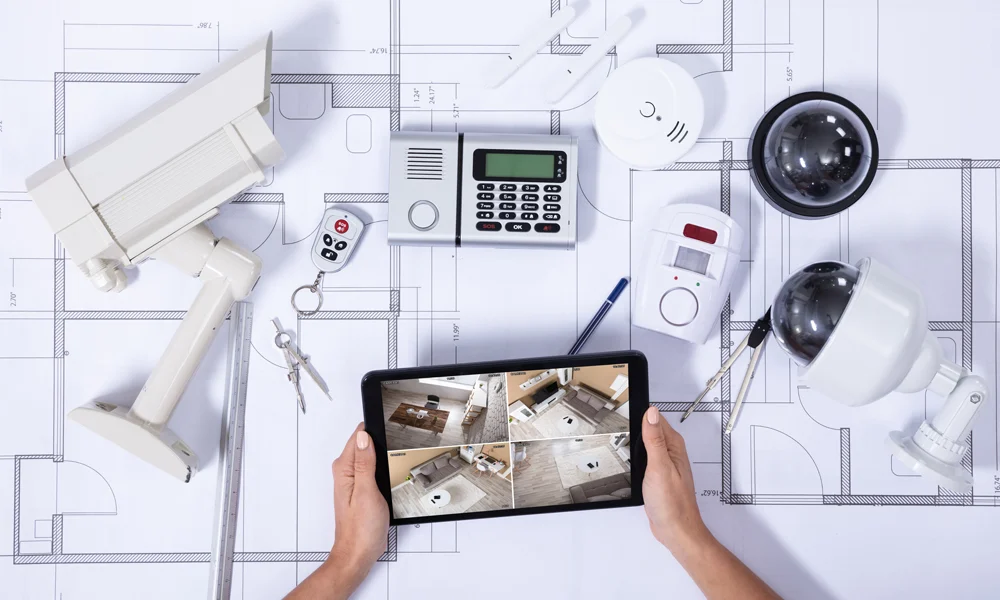
While often associated with safety, Smart Home security systems also contribute to energy efficiency. Integrated security platforms can control lighting, HVAC systems, and other energy-consuming devices based on occupancy and activity detection. For instance, when a home is unoccupied, the system can automatically power down non-essential devices and adjust climate control to conserve energy. Additionally, energy-efficient security cameras and sensors are designed to operate with minimal power consumption while maintaining optimal performance. This dual functionality highlights the versatility of Smart Home solutions in promoting both safety and sustainability.
Challenges in Implementing Smart Home Energy Solutions
Despite the clear advantages, implementing Smart Home energy solutions presents challenges. Initial costs can be significant, particularly when integrating multiple smart devices and systems. Compatibility issues between devices from different manufacturers may also arise, requiring careful selection and planning. Furthermore, homeowners must navigate data privacy concerns, as Smart Home systems often collect sensitive information about daily routines and occupancy patterns. Addressing these challenges involves investing in reliable, compatible devices, prioritizing secure platforms, and educating users about responsible energy management practices.
The Economic Benefits of Smart Home Energy Efficiency
Investing in a Smart Home offers tangible financial benefits beyond energy savings. Reduced utility bills represent an immediate return on investment, while enhanced energy efficiency can increase the overall value of a property. Additionally, homeowners may qualify for government incentives, rebates, or tax credits for implementing energy-efficient technologies, further offsetting upfront costs. Over time, the cumulative effect of reduced consumption, optimized system performance, and intelligent automation results in substantial long-term financial gains, making Smart Home technology an economically viable solution for modern households.
Smart Home Energy Management for Sustainable Living
The adoption of Smart Home technology is a critical step toward sustainable living. By minimizing energy waste, integrating renewable sources, and optimizing system performance, homeowners can significantly reduce their environmental impact. Furthermore, the ability to monitor and adjust consumption in real-time encourages responsible energy use and fosters a culture of sustainability. As society moves toward greener practices, Smart Home technology positions itself as a pivotal tool in achieving energy efficiency goals while maintaining modern comfort and convenience.
Future Trends in Smart Home Energy Efficiency
Looking ahead, Smart Home technology is poised to become even more sophisticated in its energy management capabilities. Emerging trends include increased use of AI-driven predictive analytics, deeper integration with renewable energy systems, and enhanced interoperability among devices. Smart grids, vehicle-to-home energy systems, and advanced energy storage solutions will further revolutionize the way homes consume and manage energy. These developments indicate a future where Smart Home technology not only simplifies daily life but also plays a central role in global efforts to conserve energy and combat climate change.
Conclusion
Smart Home technology represents a transformative approach to energy efficiency, offering homeowners unparalleled control, convenience, and cost savings. From smart thermostats and lighting systems to energy-efficient appliances and AI-driven analytics, every element of a Smart Home contributes to optimized energy consumption and sustainable living. While challenges exist, the long-term economic, environmental, and lifestyle benefits make the investment worthwhile. As technology continues to evolve, Smart Home systems will play an increasingly vital role in shaping energy-conscious, environmentally responsible households. For more insights, head over to our main site.
Frequently Asked Questions (FAQs)
1. How does a Smart Home improve energy efficiency?
A Smart Home improves energy efficiency by using interconnected devices and automation systems to monitor and optimize energy consumption. Smart thermostats, lighting systems, and appliances adjust their operation based on occupancy, time of day, and environmental conditions, reducing waste and lowering utility costs.
2. Are Smart Home energy systems expensive to install?
The initial installation of Smart Home energy systems can be higher than traditional setups due to the cost of smart devices and integration. However, the long-term savings on energy bills, potential rebates, and increased property value often offset the initial investment, making it economically viable over time.
3. Can Smart Home technology work with renewable energy sources?
Yes, Smart Home technology can integrate with renewable energy sources such as solar panels and battery storage systems. Smart energy management platforms optimize the use of renewable energy, store excess power, and reduce reliance on the grid, enhancing both efficiency and sustainability.
4. Does Smart Home technology require constant monitoring?
While Smart Home technology can be monitored via apps and platforms, most systems operate autonomously using sensors, AI, and automation rules. Homeowners only need to make occasional adjustments or review energy reports to maintain optimal efficiency.
5. How does AI enhance energy efficiency in a Smart Home?
AI enhances energy efficiency by analyzing usage patterns, predicting energy needs, and making real-time adjustments to devices and systems. It can detect inefficiencies, optimize appliance operation, and learn homeowner habits, ensuring energy is used intelligently and efficiently.